


Restorative Qigong Therapy Australia: A Gentle Path to Healing
- Steve Mattarollo
- May 18
- 4 min read

In the quiet moments of life, when the world slows down and breath deepens, there is a gentle art that invites us to reconnect with ourselves. Restorative Qigong Therapy offers such a path - a tender, nurturing practice that harmonises body, mind, and spirit. Here in Australia, this ancient wisdom is blossoming anew, guiding many towards holistic health and recovery. It is a journey of soft movements, mindful breathing, and profound stillness... a journey I invite you to explore with me.
Embracing Qigong Therapy Australia: A Holistic Approach
Qigong, an ancient Chinese practice, is more than just movement. It is a mindful exchange with life energy, or "Qi," flowing through us. In Australia, qigong therapy has found a welcoming home, blending traditional techniques with modern health insights. This gentle therapy supports chronic disease management, promotes healing, and nurtures overall wellbeing.
The beauty of qigong lies in its accessibility. It requires no special equipment, no strenuous effort—only your presence and willingness to listen to your body. Through slow, deliberate movements and focused breathing, qigong helps to:
Enhance circulation and energy flow
Reduce stress and anxiety
Improve balance and flexibility
Support immune function
Foster mental clarity and emotional calm
In Australia’s diverse landscapes, from serene beaches to tranquil bushlands, many find qigong a perfect companion for reconnecting with nature and themselves.
The Gentle Science Behind Restorative Qigong
Restorative Qigong is a specialised form of qigong therapy designed to support healing and recovery, especially for those managing chronic conditions. It focuses on slow, restorative movements combined with deep breathing and meditation. This practice encourages the body to relax deeply, allowing natural healing processes to unfold.
Scientific studies increasingly recognise the benefits of qigong. Research shows it can lower blood pressure, reduce inflammation, and improve quality of life for people with conditions such as arthritis, fibromyalgia, and chronic fatigue. The calming effect on the nervous system helps to balance the body’s stress response, which is often heightened in chronic illness.
Practicing restorative qigong offers a unique blend of ancient wisdom and modern science. It invites us to slow down, breathe deeply, and gently move in ways that nurture every cell. This is not just exercise; it is a form of self-care that honours your body’s innate ability to heal.
What is better for you, Tai Chi or Qigong?
Both Tai Chi and Qigong share roots in Chinese medicine and philosophy, and both offer profound benefits for health and wellbeing. Yet, they differ in style, focus, and intention.
Tai Chi is often described as a martial art with flowing, choreographed movements. It is dynamic and can be physically demanding, involving sequences that require memorisation and coordination. Tai Chi is excellent for improving balance, strength, and cardiovascular health.
Qigong, on the other hand, is more meditative and adaptable. It emphasises simple, repetitive movements, breath control, and mental focus. Qigong is particularly suited for those seeking gentle healing, stress reduction, and energy cultivation. It can be tailored to individual needs, making it accessible for people with limited mobility or chronic illness.
Choosing between Tai Chi and Qigong depends on your personal goals and physical condition. If you desire a graceful, flowing practice that also challenges your body, Tai Chi may resonate with you. If you seek a calming, restorative practice that nurtures your inner energy and supports healing, qigong might be the gentler path.
How to Begin Your Restorative Qigong Journey in Australia
Starting restorative qigong therapy is a tender invitation to listen to your body and breathe with intention. Here are some gentle steps to guide you:
Find a Qualified Instructor
Seek out a teacher experienced in restorative qigong therapy. In Australia, practitioners offer classes and private sessions tailored to chronic disease management and holistic healing.
Create a Quiet Space
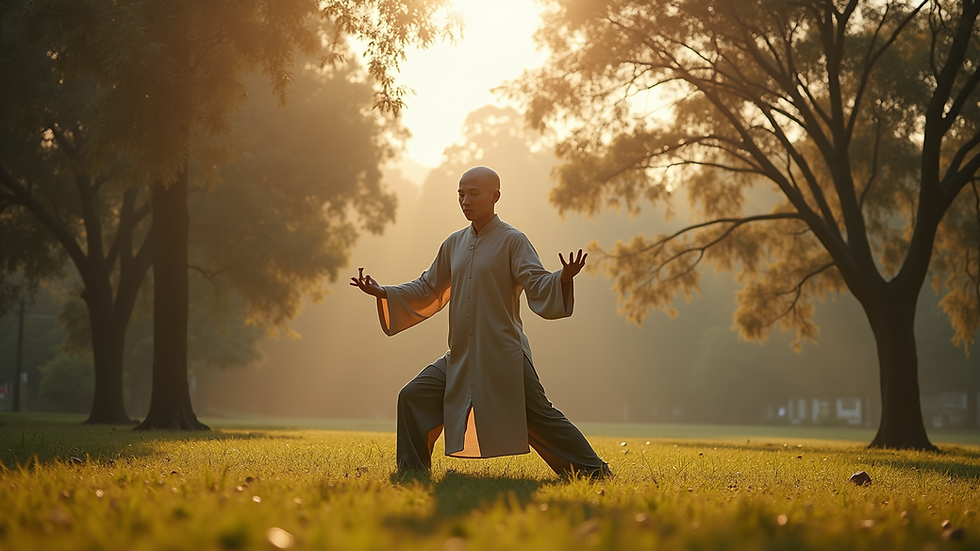
Whether indoors or outdoors, choose a calm environment where you feel safe and undisturbed. Soft natural light and fresh air enhance the experience.
Wear Comfortable Clothing
Loose, breathable clothes allow freedom of movement and comfort.
Begin with Simple Movements
Start with basic qigong exercises focusing on breath and gentle motion. Allow your breath to guide your body, moving slowly and mindfully.
Practice Regularly
Consistency nurtures progress. Even 10-15 minutes daily can bring noticeable benefits.
Listen to Your Body
Restorative qigong is about ease, not effort. If a movement feels uncomfortable, modify or pause. Your practice is your own.
Integrate Mindfulness
Use the practice to cultivate awareness of your breath, sensations, and emotions. This mindful presence deepens healing.

The Heart of Healing: Integrating Mind, Body, and Spirit
Restorative qigong therapy is a holistic embrace. It invites us to soften into ourselves, to honour the rhythms of our breath and body. This practice is not just about physical health; it is a tender conversation between mind, body, and spirit.
In the stillness of qigong, we find space to release tension, to soothe anxiety, and to awaken inner strength. The gentle movements ripple through our being, restoring balance and harmony. This is the essence of healing - a return to wholeness.
As you journey with restorative qigong, you may notice subtle shifts: a calmer mind, a lighter heart, a body more at ease. These changes ripple outward, touching every aspect of life. It is a path of patience and compassion, where every breath is a step towards renewal.
May this gentle art guide you softly, like a quiet stream flowing through the landscape of your health and wellbeing.
Nurturing Your Wellbeing with Restorative Qigong
The journey of restorative qigong therapy is ongoing, a gentle unfolding of health and vitality. It is a practice that honours your unique needs and rhythms. Whether you are managing chronic illness or simply seeking deeper connection and peace, qigong offers a nurturing sanctuary.
Remember, healing is not a destination but a continuous dance of care and attention. With each breath, each movement, you invite your body to heal, your mind to calm, and your spirit to soar.
If you feel called to explore this gentle path, consider reaching out to practitioners who specialise in restorative qigong. Together, you can cultivate a practice that supports your journey towards holistic health and vibrant living.
May your path be soft, your breath steady, and your heart open to the quiet power of restorative qigong.


Comments