


Communicating with Your Immune System: A Journey to Holistic Health

Updated: 3 days ago
Did you know that you can actually communicate with your immune system? Recent advances in immunotherapy, especially in cancer treatment, have shown remarkable success by harnessing the body's own defenses. This growing evidence suggests that the power to overcome serious illnesses lies within us. But immunotherapy remains a complex and specialized treatment, available only in certain cases.
The Mind-Body Connection: A Gentle Exploration
What if you could influence your immune system simply through your thoughts and emotions? It turns out, you can. The mind and immune system are connected through the nervous system, forming an intricate network that constantly exchanges information. Understanding this connection opens new doors to improving health and potentially reversing disease.
How the Nervous System and Immune System Work Together
The nervous system and immune system are often thought of as separate, but they actually overlap and communicate closely. Immune cells carry receptors for neurotransmitters and neuropeptides—chemical messengers typically associated with the nervous system. Think of it like a radio frequency: whatever is happening in your brain and mind broadcasts signals directly to your immune system.
This means your thoughts and emotions can influence how your immune system functions. Positive emotions like love and calmness can promote healing, while negative emotions such as fear and stress may encourage disease development. This connection explains why psychological well-being plays a crucial role in physical health.
The Gut’s Role in the Mind-Immune Connection
The gut is often called the "second brain" because it contains a vast network of neurons known as the enteric nervous system. This system operates on the same frequency as the brain and immune system. Interestingly, the gut produces over 90% of the body's serotonin, a neurotransmitter that affects mood, emotions, and cognitive function.
Alongside the nervous and immune systems in the gut is the microbiome—a community of trillions of microbes including bacteria. These microbes have sensors for neurochemicals and immune signals, allowing them to respond to changes in your psychological state. For example, stress hormones like cortisol can alter gut movement and microbial behavior, which in turn affects immune responses.
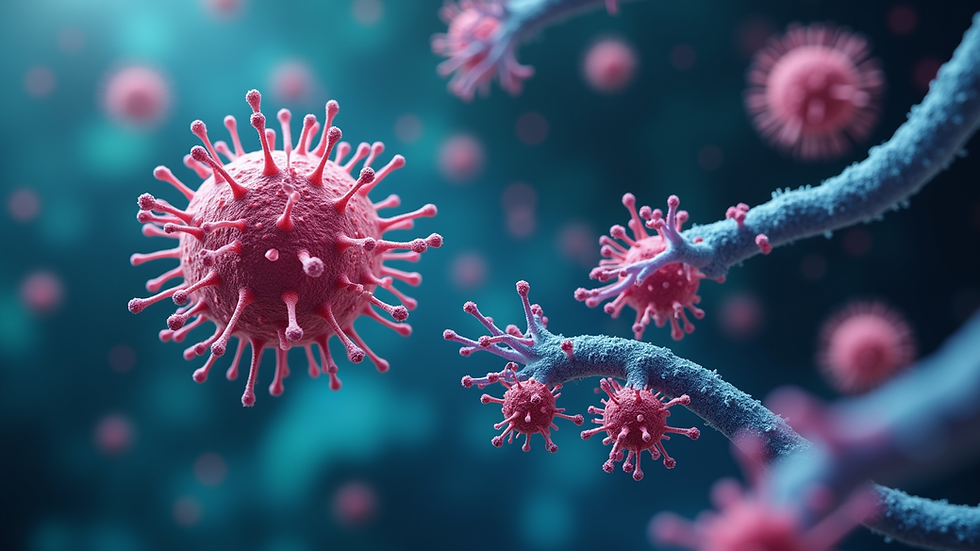
Close-up view of the gut’s neural network and immune cells interacting
How Thoughts and Emotions Influence Immunity and Gut Health
Your mental state can directly affect your immune system and gut health through several mechanisms:
Neurotransmitter signaling: Positive thoughts increase neurotransmitters like serotonin and dopamine, which can enhance immune function.
Stress hormones: Chronic stress raises cortisol levels, which suppress immune activity and disrupt gut microbiota balance.
Microbial response: Gut bacteria react to neurochemicals, changing their composition and activity, which impacts inflammation and immunity.
Immune cell modulation: Immune cells adjust their behavior based on signals from the nervous system, altering inflammation and disease resistance.
For example, studies show that people practicing mindfulness and meditation often experience reduced inflammation and improved immune markers. Conversely, prolonged anxiety or depression can weaken immune defenses and increase susceptibility to infections.
Practical Ways to Support Your Mind-Immune-Gut Axis
Understanding this connection empowers you to take steps that support your overall health:
Manage stress: Techniques like deep breathing, yoga, and meditation help lower cortisol and improve immune function.
Eat a balanced diet: Foods rich in fiber, fermented products, and antioxidants nourish your microbiome and support gut health.
Stay active: Regular exercise boosts mood-enhancing neurotransmitters and strengthens immunity.
Get enough sleep: Quality sleep regulates immune responses and maintains healthy gut bacteria.
Cultivate positive emotions: Social connection, gratitude, and activities that bring joy can promote healing signals in your body.
By nurturing your mental and emotional well-being, you create a positive feedback loop that benefits your immune system and gut health.
The Future of Health Lies Within You
The link between mind, immune system, and gut health reveals a powerful truth: your body is an interconnected system where thoughts and feelings matter. While immunotherapy offers advanced medical options, everyday choices and mental habits also shape your body's ability to fight disease.
This knowledge encourages a holistic approach to health, combining medical care with lifestyle practices that support your internal communication networks. By tuning into your mind and gut, you can influence your immune system and improve your resilience against illness.
Take the next step by exploring mind-body practices, Qigong, yoga, mindfulness, balanced nutrition, and stress management. Your immune system is listening...
Disclaimer: This article is for informational purposes only and does not replace professional medical advice. Consult healthcare providers for personalized care.


Comments